
Giving Everyday Files Names That Still Make Sense Later
A thoughtful filename preserves the small details that make an ordinary document easy to recognize months after its original purpose has faded.

A download you can find again. A note that still makes sense next month. These new stories take a patient look at the ordinary work of keeping digital things in order.
More perspectives from the archive
iOS and Android use different mechanisms for app data access, physical identifiers, storage permissions, and photo access control, with iOS enhancing privacy through strict sandboxing and identifier isolation while Android remains relatively open but increasingly tightens permissions to balance functionality and security.
In an era where AI is deeply involved in work, protecting conversational privacy depends not on refusing to use AI, but on building a security buffer between people and AI, sharing only the information needed to complete a task, and clearly defining the boundaries of data, permissions, and responsibility.
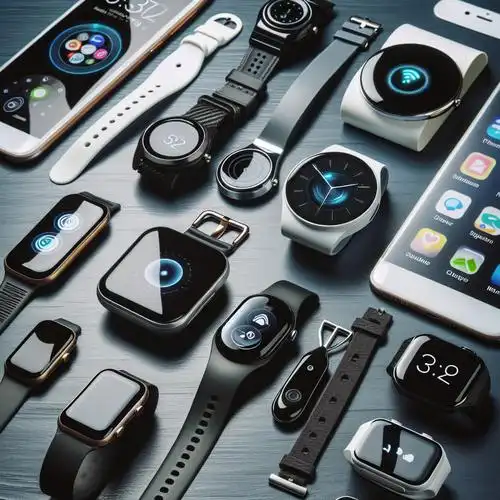
Smart wearables are evolving from step-counting devices that require active checking into unobtrusive health terminals across watches, rings, glasses, and pendants, using continuous sensing and data interpretation to proactively support health management, contextual assistance, and family safety.
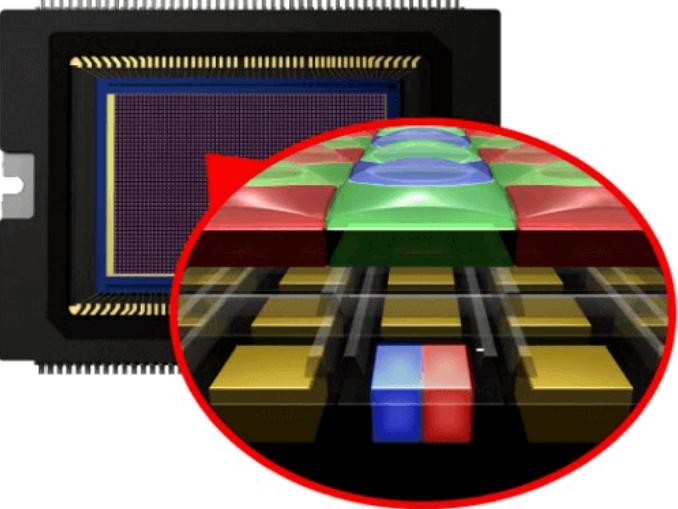
Instead of focusing on the number of pixels, ordinary people should pursue the amount of light entering!
Cloud storage and local storage are not an either-or choice but complementary options with distinct strengths and weaknesses; important data should be kept in multiple copies, stored on different media, and backed up with at least one copy off-site.
The 321 backup rule reduces the risk of data loss by keeping three copies of data, using two types of storage media, and storing one copy offsite, with SSDs suited to frequent access, HDDs to long-term storage, and the offsite copy guarding against extreme incidents.
By mastering frequency band and connection management, security encryption, and data- and power-saving settings for mobile hotspots, users can improve sharing stability and efficiency while ensuring security.
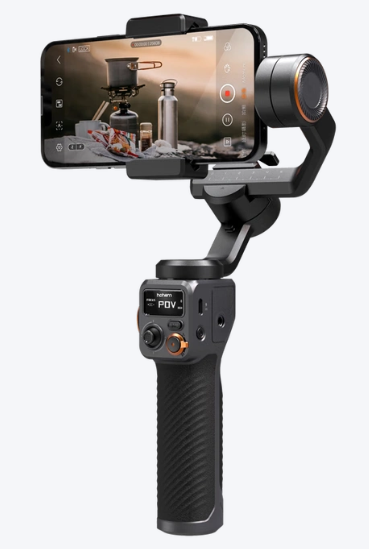
OIS optical image stabilization relies on localized lens compensation to deliver lower power consumption and cost for everyday, low-light, and telephoto shooting, while micro gimbal technology moves the lens and sensor as a whole to achieve wider all-direction stabilization, making it better suited to action tracking, night scenes, and vlog creation; rather than replacing each other, the two are increasingly combined with overall imaging configurations to push stable mobile shooting toward greater precision, efficiency, and widespread adoption.
Artificial intelligence, machine learning, and deep learning are nested in a hierarchy: AI is the broadest field, machine learning is a subfield of AI, and deep learning is a type of machine learning that trains deep neural networks on data.
Browse the complete collection by subject.